
AI driven drone &
counter-drone solutions™
Falcon Nano Technology
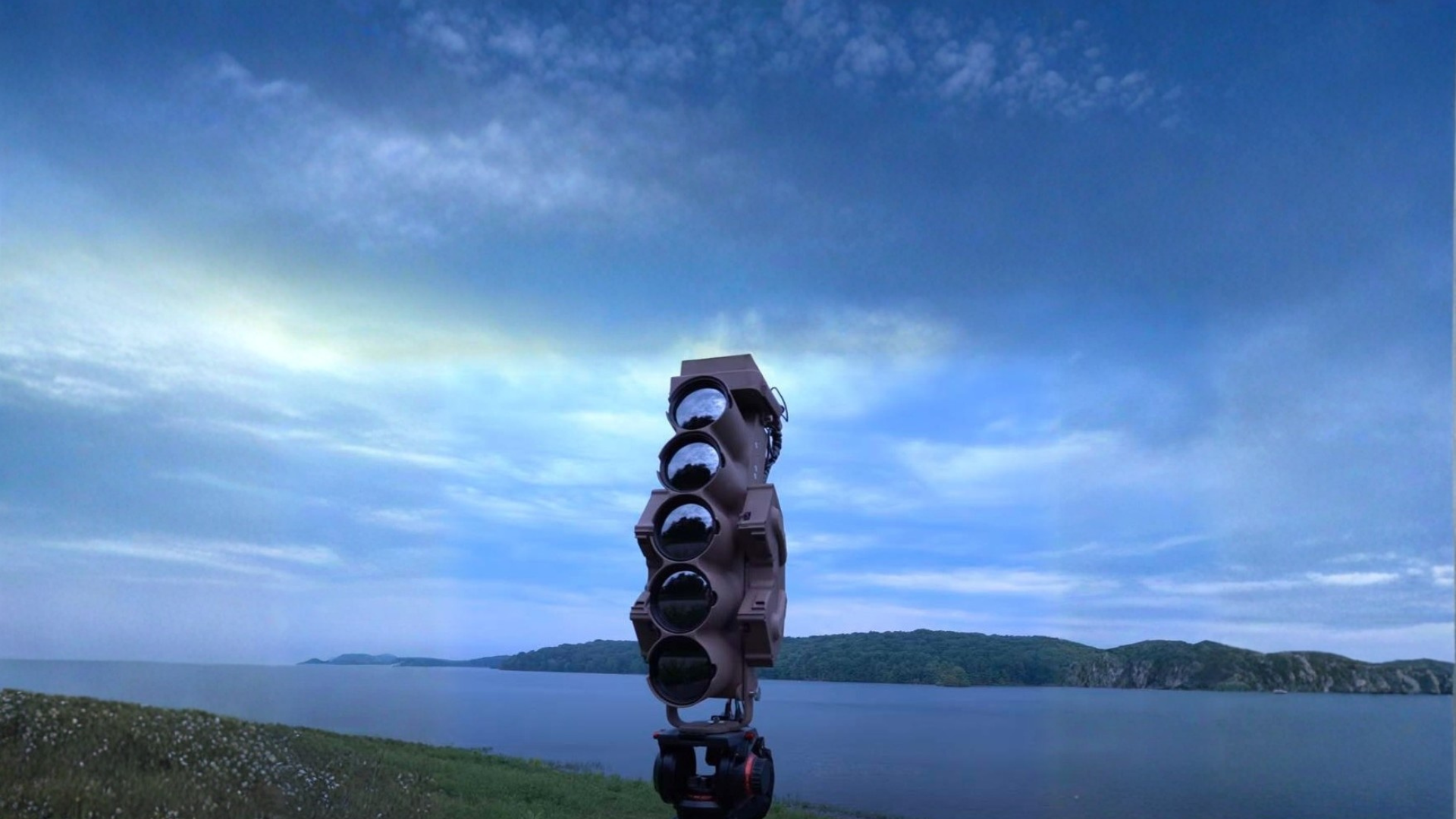
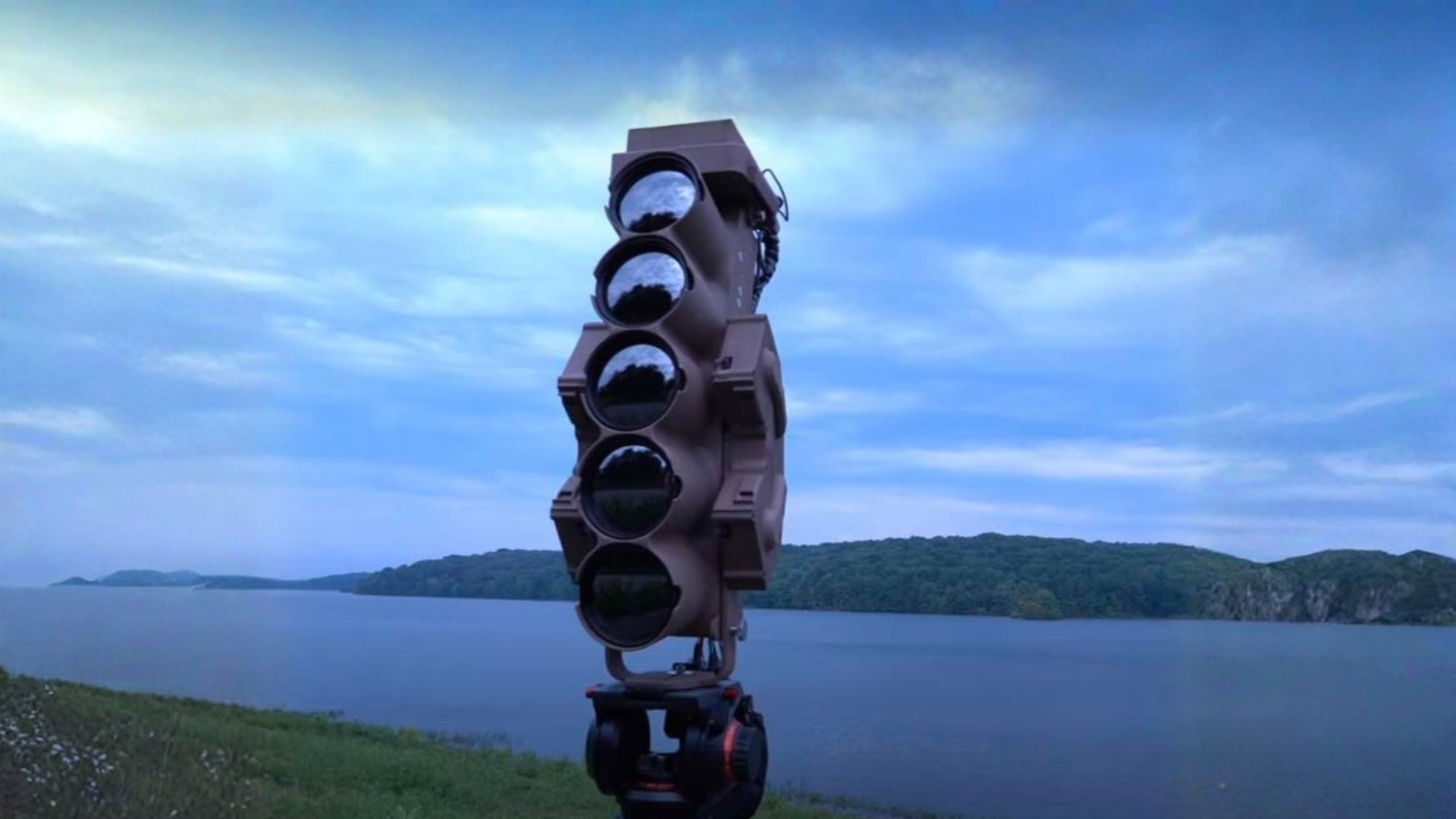
Falcon Nano’s technology represents a breakthrough in counter-UAS defense — combining long-wave infrared (LWIR) detection, Edge AI, and low-collateral defeat (LCD) systems into one mobile, passive platform.
Our systems deliver 6× greater detection range, zero jamming vulnerability, and AI-powered target classification that redefines how defense and security forces protect airspace.
Detect
Long-Wave Infrared (LWIR) Polarimetric Detection
Passive. Precise. Unstoppable.
Most detection systems rely on active emissions — signals that can be jammed, spoofed, or avoided. Falcon Nano’s passive LWIR sensor requires no emissions, making it silent, unjammable, and exceptionally reliable. Falcon Nano’s passive LWIR sensor operates silently, immune to electronic interference, and capable of detecting small drones even in cluttered environments.
Key Capabilities
6× range of other infrared detectors
Tracks up to 500 simultaneous targets
Detects and classifies drones across Groups 1 & 2
Fully operational in low-light, fog, and adverse weather
Lightweight (< 50 lbs) and fully mobile
Edge AI + FPGA Integration
Smarter detection. Faster decisions.
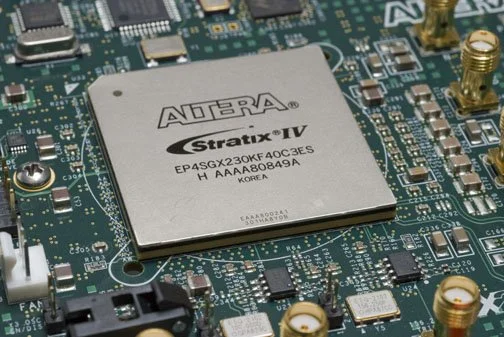
At the heart of every Falcon Nano system lies a Field Programmable Gate Array (FPGA) combined with Edge AI computing — enabling instant drone recognition, friend-or-foe identification, and swarm coordination analysis.
Technical Highlights
Real-time AI inference on-device — no cloud latency
Low power consumption and high processing speed
Constant software evolution through modular updates
FPGA architecture allows flexible mission programming
Future-ready for AI-driven battlefield autonomy
Radio Frequency (RF) Detection
Passive. Omnidirectional. Combat Proven.
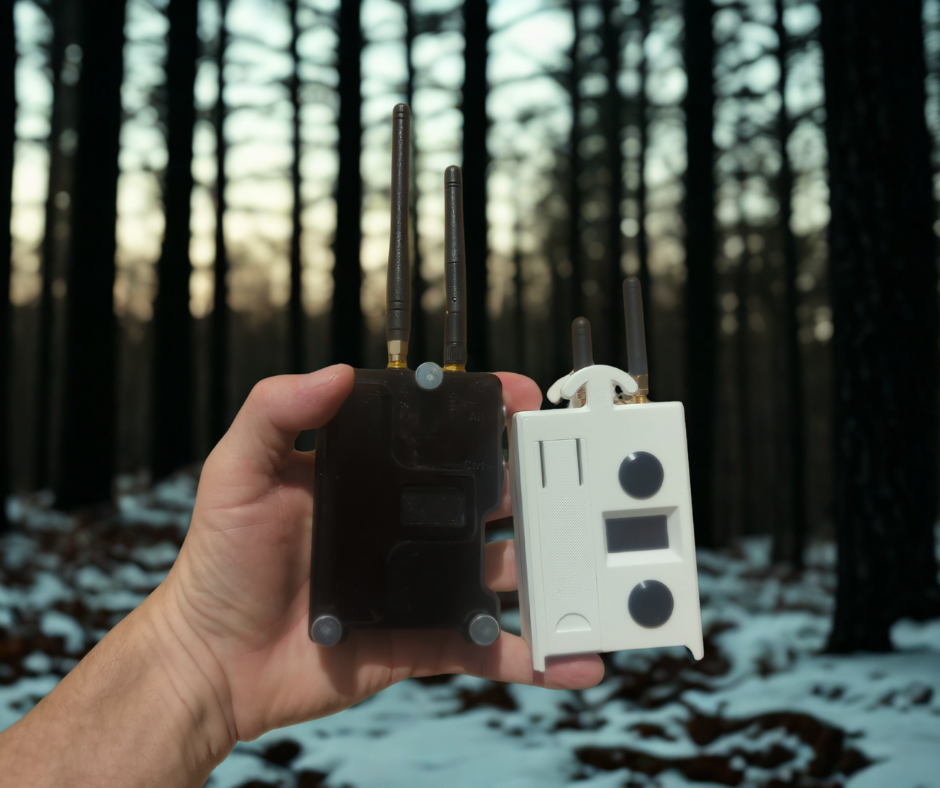
Active-signal detectors are vulnerable to interference and manipulation. Falcon Nano’s passive RF solution avoids this entirely, silently capturing enemy drone emissions without exposing the operator’s position. Falcon Nano, in partnership with Drone-Spice Inc., manufactures a passive RF sensor that operates silently, is handheld, and highly mobile, capable of detecting Group 1-3 drones in challenging combat environments, either on foot or in a vehicle.
Key capabilities
Detects all current drone RF signals
Omnidirectional
Detects single, multiple, or drone swarms
Detects all RF FPV or semiautonomous drones (Groups 1 - 3)
Handheld, lightweight, fully mobile

Defeat
Low-Collateral Defeat (LCD) Systems
Neutralize with precision — not destruction.
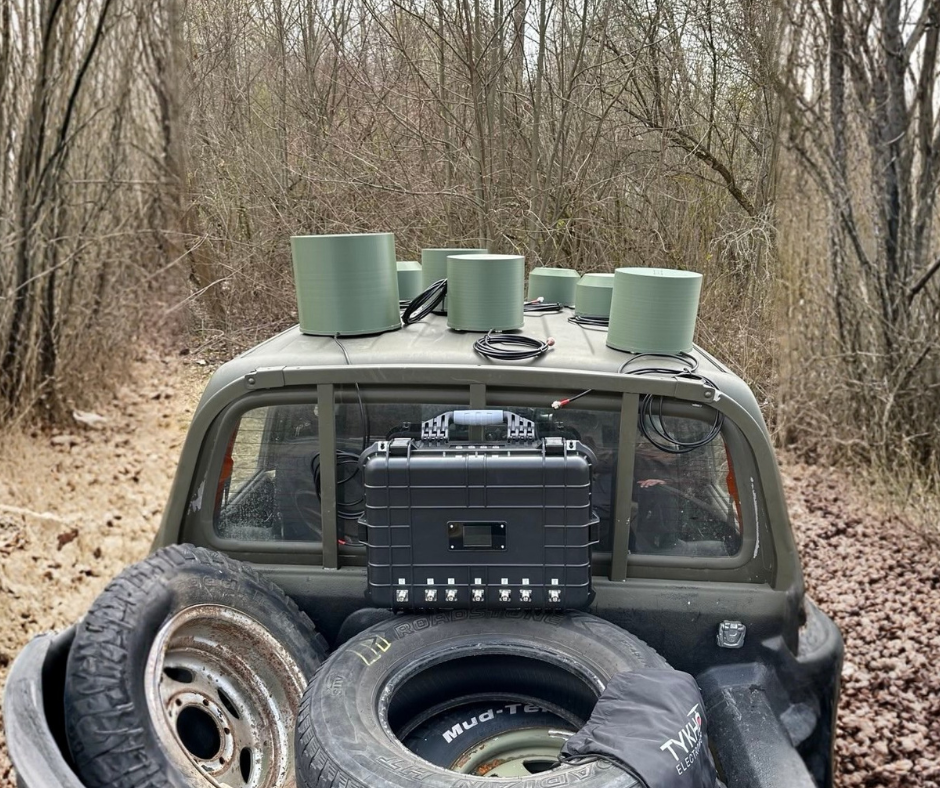
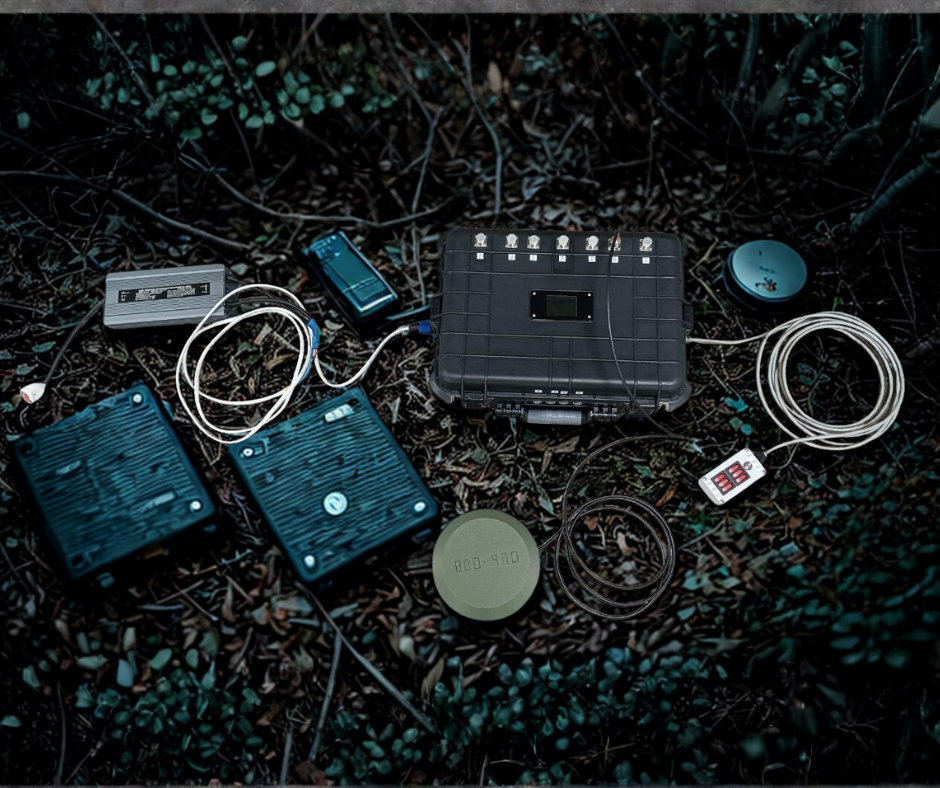
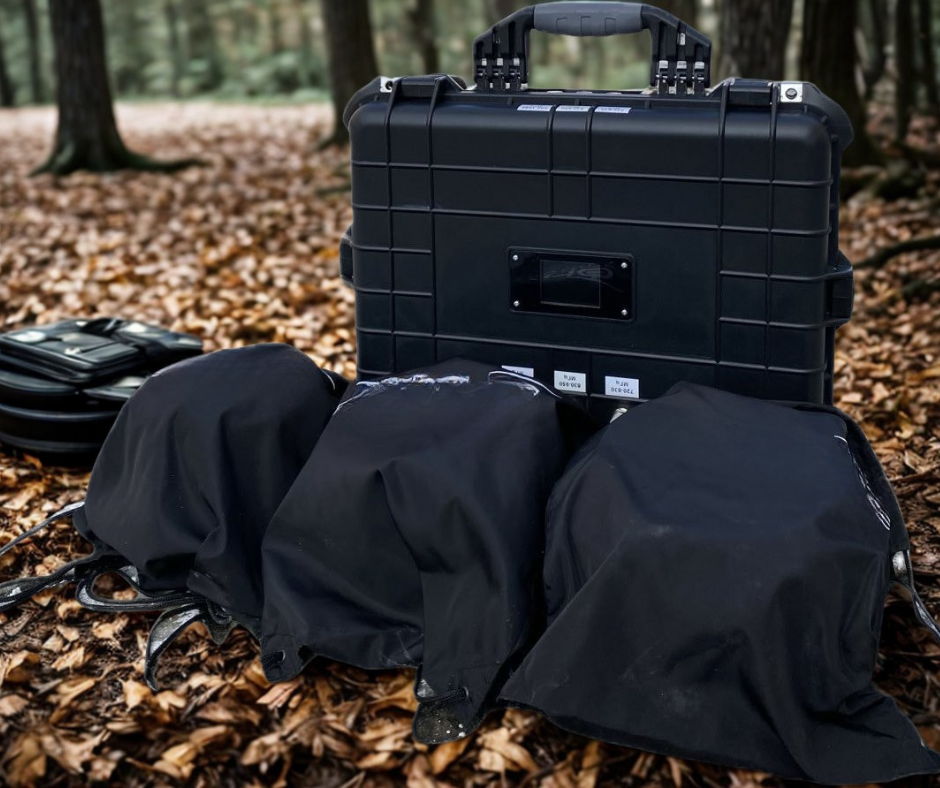
Falcon Nano’s Low Collateral Damage defeat architecture combines electromagnetic pulse (EMP) and signal jamming technologies to safely neutralize hostile drones while minimizing risk to personnel, friendly assets, and critical infrastructure.
Features
EMP-based neutralization of single or swarm targets
Radio Frequency (RF) jamming, signal spoofing, and GPS interference for FPV and autonomous UAS systems
Non-kinetic countermeasures — no physical projectiles required
90% reduction in fratricide risk compared to kinetic systems
Modular defeat options for varied threat environments
Modular Defense Architecture
Scalable. Flexible. Future-Proof.
Falcon Nano’s design supports both military and commercial deployments, from forward-operating bases to airport security grids. Modular integration allows operators to scale from single-unit detection to large-scale networked systems.
Integrates seamlessly with existing radar and defense networks
Edge-to-cloud connectivity for command visualization
Supports Detection-as-a-Service (DaaS) and Software-as-a-Service (SaaS) updates
“Buy America, Build America” qualified for compliant manufacturing
Combat-Proven Partnerships
Our joint venture with Ukrainian defense manufacturers provides TRL-9 (Technology Readiness Level 9) systems — validated in live combat operations. Combined with Falcon Nano’s U.S. manufacturing expertise and U.S. Naval Surface Warfare Center collaboration, our solutions are both tested and trusted.
In collaboration with:
U.S. Naval Surface Warfare Center (NSWC)
Intel / Altera FPGA technology
Ukrainian TRL-9 Drone Defense Systems



Falcon Nano merges proven combat technology with next-generation AI and sensing — delivering unmatched detection, precision, and control in drone defense.